If you love Franklin, this choice can feel surprisingly hard. Do you picture yourself near Main Street and Public Square, surrounded by historic architecture and downtown energy, or do you want a newer community with trails, amenities, and a more planned day-to-day lifestyle? The good news is that both options can work beautifully, depending on how you want to live. Here’s how to compare them with clarity and confidence.
Downtown Franklin Lifestyle
Historic downtown Franklin offers one of the strongest sense-of-place experiences in Middle Tennessee. The City of Franklin describes downtown as a 15-block historic district centered around Public Square and Main Street, with shops, restaurants, galleries, and regular community events.
If your ideal routine includes walking to dinner, browsing local stores, or enjoying festivals and parades close to home, downtown stands out. Envision Franklin also supports keeping commercial and mixed uses concentrated in the Main Street core, which helps preserve that active, human-scaled environment.
What historic homes often feel like
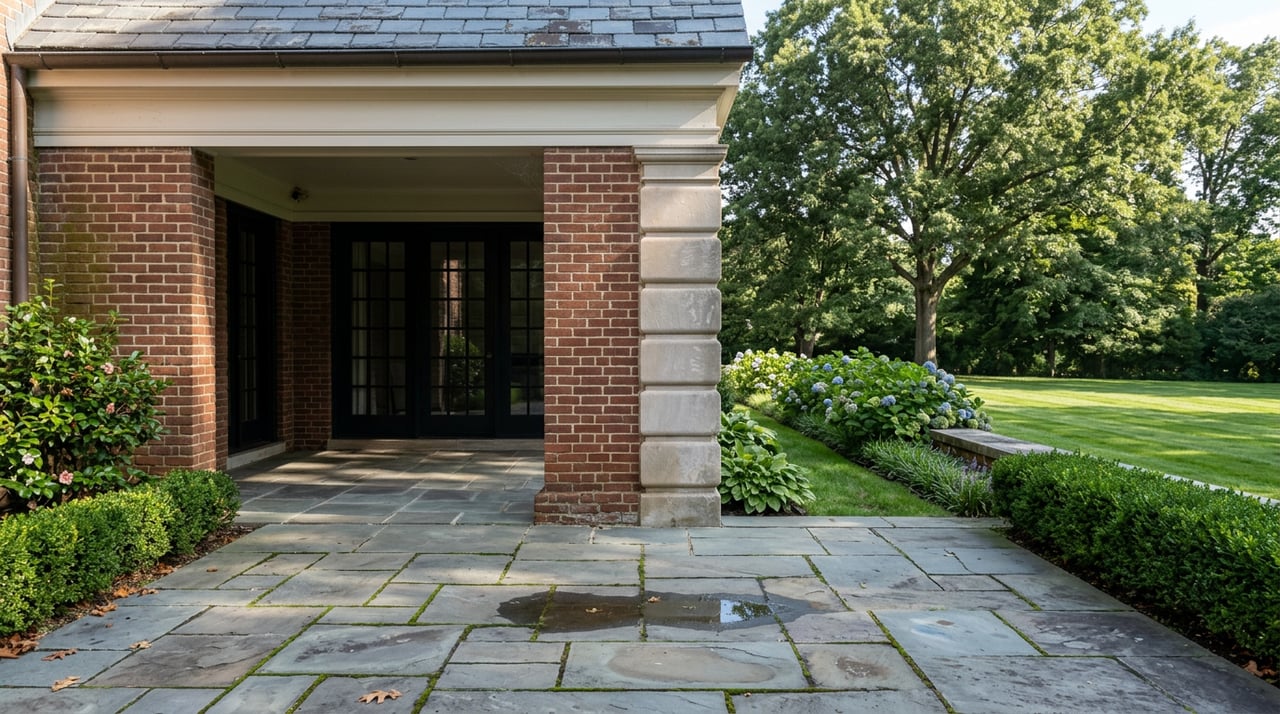
Franklin’s preservation guidelines note that the city has one of the largest and finest collections of historic architecture in Middle Tennessee. Within its historic districts, you may find features like pitched roofs, original porches and stoops, wood siding, shingles, weatherboard, or board-and-batten details.
These homes often feel distinctive because they reflect original massing, scale, roof forms, and materials. For many buyers, that architectural character is the whole point of living near downtown.
What to know about design oversight
This is one of the biggest practical differences between downtown and newer communities. Franklin uses Historic Preservation Overlay zoning to guide growth and change, and homes in local historic districts must follow adopted design guidelines through a Certificate of Appropriateness review for certain exterior changes.
A National Register listing by itself does not restrict private-property use, but local historic district status does come with enforceable design oversight. If you value historic authenticity, that may feel reassuring. If you want more flexibility for exterior updates, it is worth weighing carefully.
Newer Community Lifestyle
Franklin’s newer master-planned communities solve a different lifestyle need. Instead of a traditional historic core, they offer a more self-contained environment with housing, amenities, and daily conveniences built into the broader plan.
For many buyers, that means a more structured routine and a wider mix of home types. It can also mean easier access to neighborhood amenities without relying on the downtown core for everyday living.
Westhaven at a glance
Westhaven offers new homes, active-adult single-family homes, and new three-story townhomes with elevators. Its published amenity package includes a Village Center, a 15,000-square-foot Residents Club, 9 miles of trails, 20 community parks, pools, and an 18-hole golf course.
That combination appeals to buyers who want recreation, events, and convenience built into the neighborhood. The experience is walkable, but in a community-centered way rather than a downtown street-grid setting.
Berry Farms at a glance
Berry Farms is a 600-acre mixed-use master-planned community. Its builder program offers a variety of home designs and custom-home options, and the larger community includes Town Center apartments plus residential and mixed-use development opportunities.
Berry Farms states that all residential neighborhoods are within a 5-minute walk of shops, restaurants, offices, parks, a pool and pool house, and bocce ball courts. It also plans for more than 1.8 million square feet of retail space and more than 3 million square feet of office space, reinforcing its mixed-use design.
Walkability Means Different Things
One of the easiest ways to narrow your choice is to define what walkability means to you. In downtown Franklin, walkability usually means access to Main Street, Public Square, dining, shopping, galleries, and community events.
In newer communities, walkability often means access to neighborhood amenities such as trails, pools, parks, club spaces, and village-style services. Both can support a convenient lifestyle, but the setting and rhythm feel very different.
Downtown walkability
Downtown Franklin is the clearest fit if you want your social life and errands tied to the city’s historic core. You are choosing a vibrant, concentrated area where shops, restaurants, and events help shape the daily experience.
That setting can feel lively and connected, especially if being near Franklin’s cultural center matters to you. It is less about planned amenities and more about authentic downtown access.
Community walkability
In places like Westhaven and Berry Farms, walkability is more internal. You may be able to reach dining, trails, parks, or gathering spaces on foot, but within a master-planned environment designed around neighborhood convenience.
For some buyers, that feels easier and more predictable. If you like the idea of a more self-contained routine, this model can be a strong fit.
Parking and Daily Convenience
Parking is another important lifestyle divider. In June 2026, the City of Franklin launched the Park Franklin Parking Study to better understand parking needs in Central Franklin, gather input on downtown conditions, and identify future parking-management strategies.
That does not mean downtown parking is impossible. It does mean parking awareness is a real part of the downtown experience, especially during events or busy weekends.
In a newer planned community, parking tends to be less central to the lifestyle decision. If garage access, easier daily parking, and less event-related traffic are high on your list, a master-planned setting may feel more convenient.
Home Style and Upkeep
Your comfort level with home maintenance should play a role here too. Historic homes often offer more original detail and architectural personality, but they may also require a different mindset around upkeep and exterior changes.
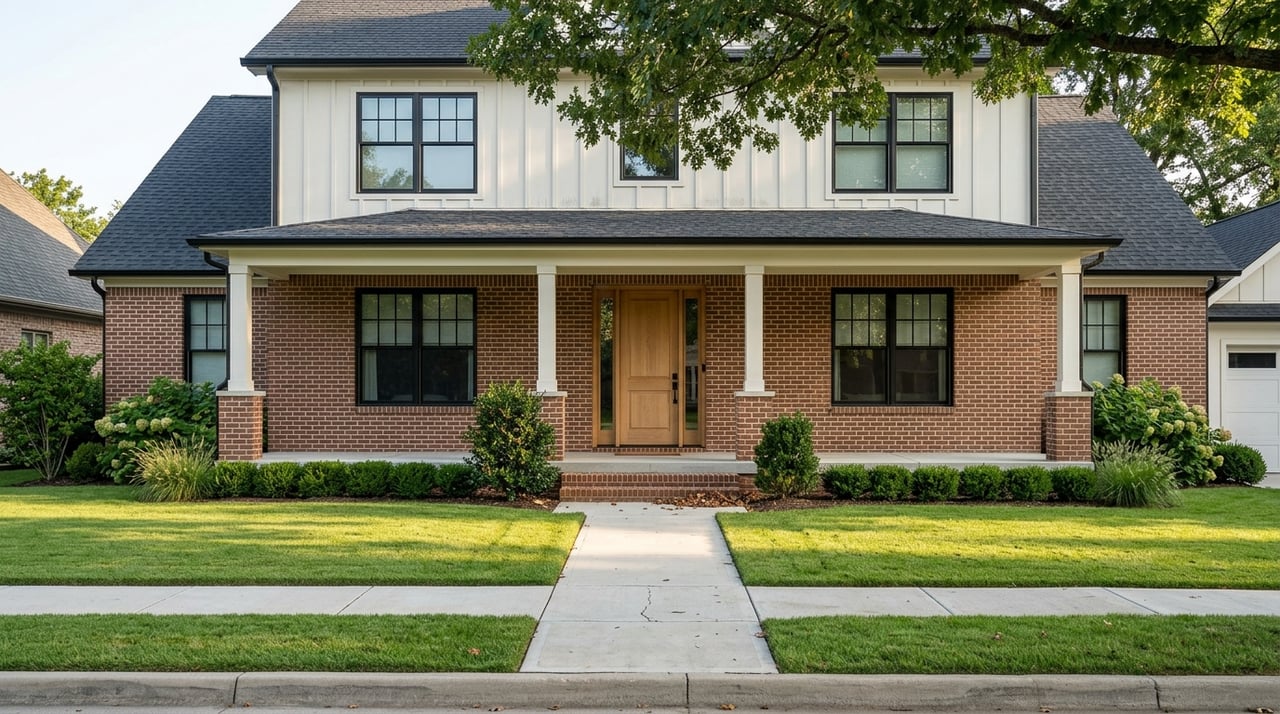
Newer homes generally appeal to buyers who want newer construction and a broader mix of floor plans and housing formats. In Franklin, communities like Westhaven and Berry Farms show that range through attached and detached options within a planned setting.
When historic may be right
Historic downtown Franklin may be the better fit if you value:
- Architectural character
- Proximity to Main Street and Public Square
- Independent shops, restaurants, and galleries
- A strong preservation identity
- A compact, walkable historic setting
This path often works well for buyers who see the home and surrounding streetscape as part of a larger story and lifestyle.
When newer may be right
A newer Franklin community may be the better fit if you value:
- Newer construction
- More housing-type variety
- Built-in amenities like trails, pools, and club spaces
- A neighborhood-centered routine
- A more self-contained mixed-use environment
This option often fits buyers who want convenience, consistency, and modern neighborhood planning.
Questions to Ask Yourself
If you are still deciding, these are often the most useful questions:
- Do you want a historic-district home with preservation oversight, or a newer home in a planned community with builder-led design standards?
- Is your daily routine more about downtown dining, events, and boutique retail, or about trails, pools, golf, and village-center convenience?
- Are you comfortable with the upkeep that may come with an older home?
- How important are parking, garage access, and event-weekend ease?
These questions can quickly bring your priorities into focus. Usually, the decision is less about which area is better and more about which lifestyle feels more natural for you.
Choosing With Confidence
Franklin offers two very appealing versions of homeownership. Downtown gives you heritage, character, and a walkable cultural center. Newer communities give you amenities, housing variety, and a more programmed daily experience.
The right choice starts with your routine, not just the house itself. If you want thoughtful guidance as you compare historic charm with newer community living in Franklin, Eddie Ferrell can help you evaluate the details and move forward with confidence.
FAQs
What is the difference between downtown Franklin and newer Franklin communities?
- Downtown Franklin centers on a 15-block historic district with shops, restaurants, galleries, and events, while newer communities like Westhaven and Berry Farms are master-planned environments with built-in amenities and mixed-use convenience.
What should buyers know about historic homes in Franklin?
- Homes in Franklin’s local historic districts may be subject to design guidelines and Certificate of Appropriateness review for certain exterior changes, which can affect renovation flexibility.
Is downtown Franklin more walkable than newer communities?
- Downtown Franklin offers walkability tied to Main Street, Public Square, dining, and events, while newer communities offer walkability within the neighborhood through trails, parks, shops, and amenities.
Are newer Franklin communities good for buyers who want amenities?
- Yes. Communities such as Westhaven and Berry Farms are designed around amenities and mixed-use features, including trails, pools, parks, dining, and community gathering spaces.
How do I decide where to live in Franklin, TN?
- Start by comparing your ideal daily routine, your preference for historic character versus newer construction, and how much value you place on walkability, amenities, parking, and home upkeep.