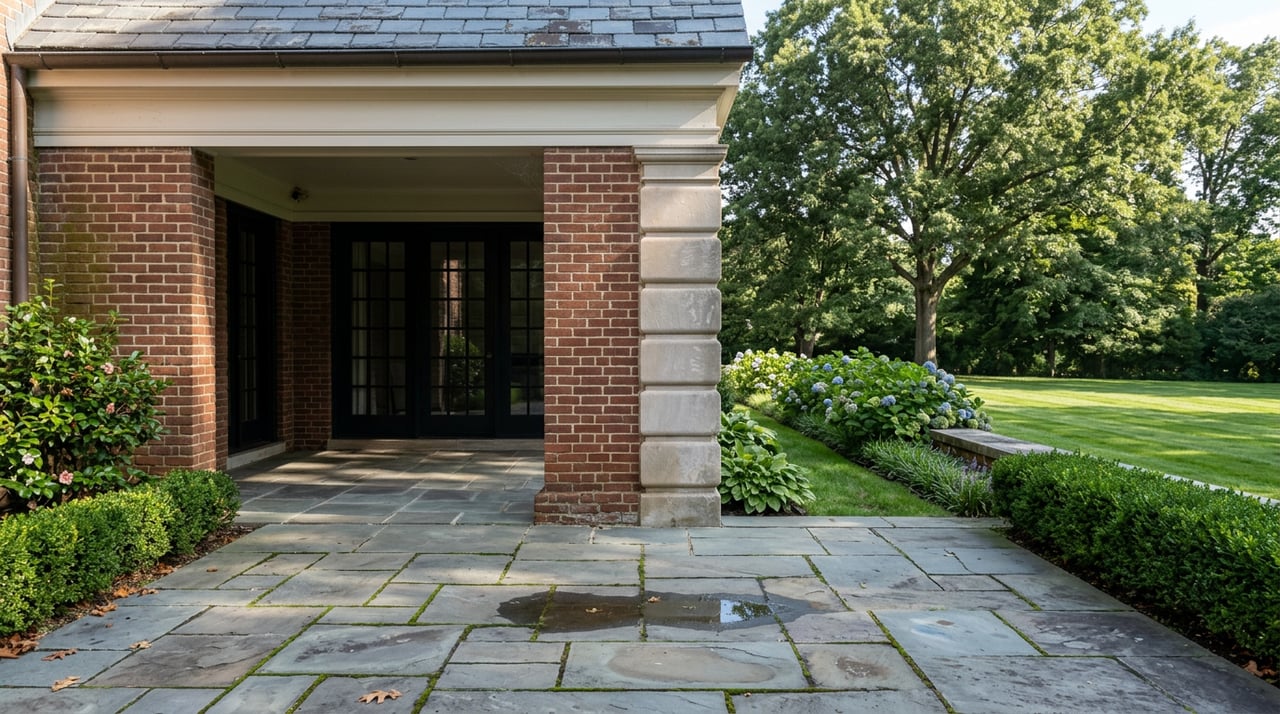
Most buyers moving toward Belle Meade assume the permitting process works the same way it does everywhere else inside Nashville's city limits. It does not. Belle Meade is its own incorporated city, with its own City Hall on Harding Pike, its own Building and Zoning Department, and as of March 15, 2026, a construction requirement Metro Nashville does not have: the City of Belle Meade requires any property issued a demolition or new-construction permit to install a locking, opaque fence, six to eight feet tall, around the property or construction area before work can start.
That single rule is a useful stand-in for the larger point. Belle Meade does not regulate construction the way its neighbors do, and the gap between assumption and reality is exactly where projects lose time and money.
Belle Meade Runs Its Own City Hall, Not Metro's
Davidson County contains six small incorporated cities sitting entirely inside Nashville's boundaries: Belle Meade, Berry Hill, Forest Hills, Goodlettsville, Oak Hill, and Ridgetop. These satellite cities are not bound by Metro's stormwater program, and the same separation applies to zoning, building permits, and historic review. A permit for a Belle Meade address is not pulled from Metro Codes. It goes through Belle Meade's own Building and Zoning Office, and the city's own Planning Director fields the first call.
That first call matters more than it sounds. The city's own guidance asks owners to contact the Planning Department before starting any building project, including interior renovations, so the Planning Director or Building Official can flag which approvals actually apply before a homeowner commits to plans or pricing.
The Historic Zoning Commission Exists Because Of A Building Boom Nobody Planned For
The review layer that catches most buyers off guard is the Historic Zoning Commission, or HZC, and it was not always part of the process. Belle Meade created it in 2019, and the reason was specific: a sudden wave of teardowns. Around thirty homes had been demolished and replaced with custom and speculative construction within two years, enough of a shift that the city placed a 150-day moratorium on demolition permits while it built a review structure.
The sentiment behind that moratorium came through clearly at the time. One longtime resident, quoted in a FOX17 report, put it this way: "the whole idea for Belle Meade is for as little change as possible." The city's zoning director, quoted in a Community Impact report, framed the new commission's purpose in similar terms: "We don't want to tell people what they can and can't do to their homes."
Ordinance 2019-7 formally created the HZC, and the Citywide Conservation Overlay Design Guidelines that followed in 2022 spell out what the commission actually reviews: exterior design, materials, arrangement, and texture, with the stated goal of keeping new construction in harmony with the surrounding streetscape rather than forcing every house to match its neighbor.
What Actually Triggers HZC Review
Not every project needs a hearing. Some exterior alterations can be handled administratively. But additions typically move into full HZC review, and the outcome is a Certificate of Appropriateness, valid for one year from issuance under the Citywide Conservation Overlay Design Guidelines.
A teardown asks for more. Applicants may need a licensed condition report, historic background research, salvage planning, photographs, and a formal presentation to the commission. That documentation burden is often the real difference between a renovation and a rebuild on paper, long before either project breaks ground.
The city's own numbers from its 2024 Building and Zoning Year in Review put this in perspective: 29 HZC cases that year, with additions accounting for 15 of them and new construction matters another 8. Additions, not teardowns, are the more common path through review. Most owners in Belle Meade are building around what already exists rather than starting over, which tracks with a city built out almost entirely between 1910 and 1955 and still carrying that architectural character on streets like Belle Meade Boulevard, Tyne Boulevard, and Page Road.
Floor Area Ratio Is The Number That Actually Limits What You Can Build
Buyers comparing lots by price per acre are often comparing the wrong number. Floor Area Ratio, or FAR, typically runs between 0.20 and 0.225 in Belle Meade, according to BDG Partners, meaning total livable square footage is capped as a fraction of lot size rather than left open-ended. A one-acre lot does not support an unlimited house, no matter what the seller's marketing suggests.
This is part of why Belle Meade's price spread is so wide. Listings have ranged from roughly $600,000 for smaller cottages and condos up toward $18 million and above for the largest estates, and lot size is a major reason that range exists in the first place. The historic estate core north of Belle Meade Boulevard holds the largest parcels, some over four acres with original landscape architecture still intact. Newer construction has trended toward smaller half-acre to acre subdivided sites, where FAR math bites harder and where a buyer's actual buildable envelope needs to be checked against the lot, not against the neighbor's finished square footage.
Two More Gates: Stormwater And Trees
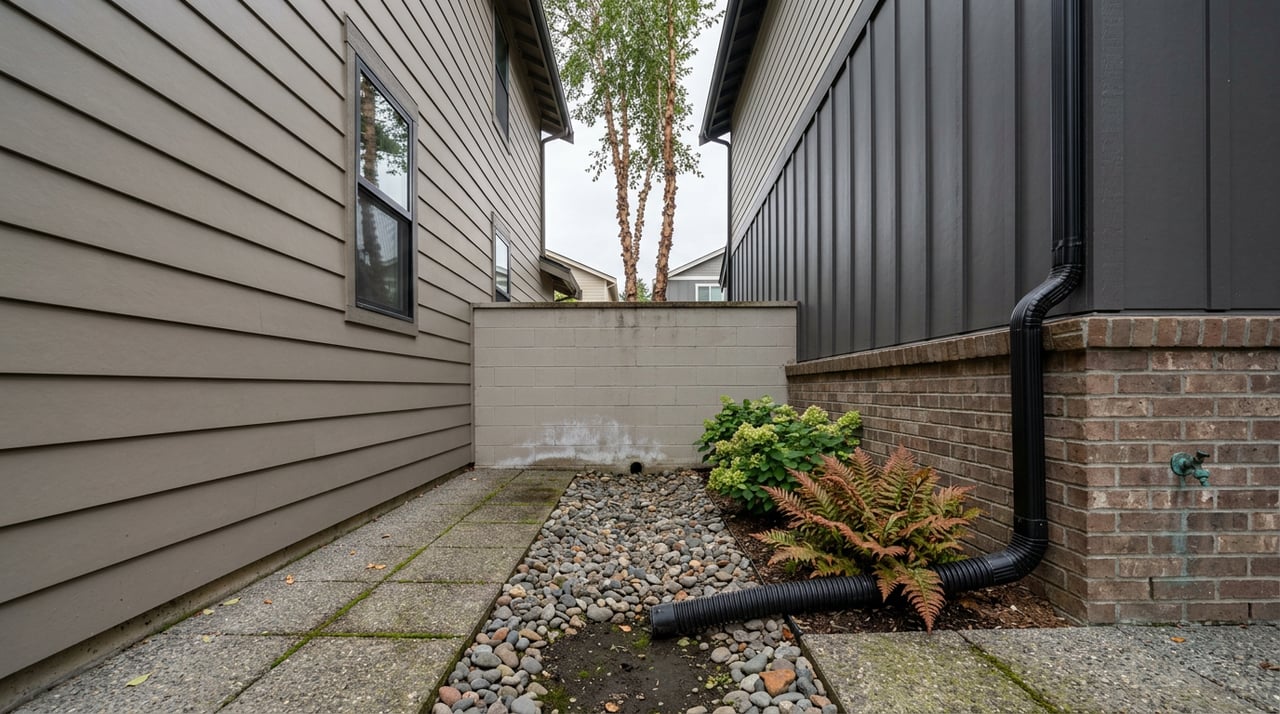
FAR is not the only ceiling. Some land disturbances require a separate permit through Belle Meade's Building and Zoning Department, and because the city runs its own stormwater program rather than Metro's, a third-party engineering consultant reviews site plans for compliance before work begins, according to the City of Belle Meade.
Trees add another layer. On lots where mature canopy has stood for seventy years or more, those considerations can shape where a house sits on its lot as much as FAR does.
What Changed In March 2026
The new fencing requirement folded into this same system on March 15, 2026. Any property with a demolition or new-construction permit now needs a locking, opaque fence at least six feet and no more than eight feet tall around the property or construction area.
Read on its own, it looks like a construction site detail. Read against the 2019 moratorium and the HZC's steady caseload since, it reads as one more sign that Belle Meade's oversight of what gets built and how is not loosening. It is adding steps.
What This Means If You're Evaluating A Lot
None of this means a renovation, addition, or rebuild in Belle Meade is unworkable. HZC approved 29 cases in 2024 alone. It means the sale price on a listing sheet tells a buyer very little about what that lot will actually support once FAR, historic review, stormwater thresholds, and tree permits are applied to it. A property that looks like a clean opportunity can still trigger multiple approvals, a variance request, or a design revision the buyer never budgeted for. A less obvious lot, sized and sited correctly, can move through review with far less friction.
That is the underwriting question worth answering before an offer goes in, not after.
A Few Questions Buyers Often Ask
Can I build more than one home on a Belle Meade lot? No. Belle Meade zoning allows one principal dwelling per lot, with no common exceptions for multi-family development.
How long is a Certificate of Appropriateness valid? One year from the date of issuance.
Does every renovation need Historic Zoning Commission review? Not automatically. Some exterior alterations can be handled administratively, but additions typically move into HZC review.
If you are weighing a lot in Belle Meade against what it will actually let you build, or trying to work out whether an addition makes more sense than starting over, that is exactly the kind of question worth walking through before you're under contract. Eddie Ferrell has spent more than two decades advising buyers, sellers, and builders across Nashville and Middle Tennessee on precisely this kind of entitlement math. Let's Connect.
This article is general information, not legal, tax or financial advice. Consult a qualified professional about your situation.