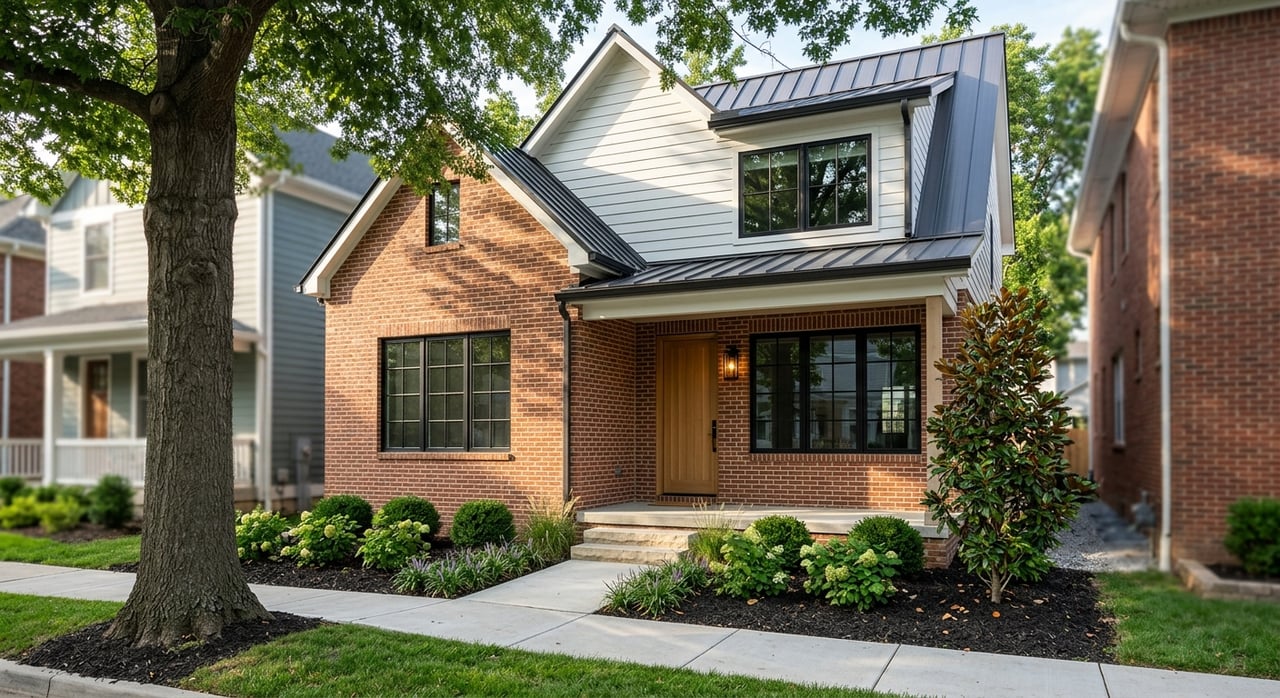
If you want a Nashville neighborhood where you can grab coffee, walk to dinner, spend time in the park, and still come home to a street with historic character, 12 South likely lands on your shortlist fast. For many buyers, the real question is not whether the area is popular, but whether it actually fits the way you want to live day to day. This guide will help you understand what living in 12 South feels like, what kinds of homes you’ll find, and what tradeoffs to expect so you can make a smart move with confidence. Let’s dive in.
What makes 12 South stand out
12 South is a compact Nashville neighborhood centered on 12th Avenue South, generally stretching between Wedgewood Avenue and Gale Lane. It is known for its dense dining and shopping corridor, with residential streets close by, which gives it a distinct urban-village feel.
That setup is a big part of the appeal. You are not looking at a broad suburban area with scattered amenities. Instead, you get a tightly defined neighborhood identity with homes, restaurants, boutiques, coffee shops, and park space all woven together.
Its roots in the former Waverly-Belmont community and early streetcar-era development still shape the area today. That history helps explain why 12 South feels established, walkable, and visually varied rather than master-planned or uniform.
Everyday life in 12 South
Walkable dining and shopping
One of the biggest lifestyle draws in 12 South is how easy it is to enjoy the neighborhood on foot. Nashville’s visitor bureau describes 12South as a highly walkable shopping and dining district, built around a roughly half-mile commercial stretch.
Along that corridor, you will find a mix of restaurants, coffee houses, bakeries, bars, and boutiques. Current examples include Frothy Monkey, Urban Grub, Draper James, and White’s Mercantile, which speak to the area’s blend of casual hangouts, local flavor, and design-minded retail.
If you enjoy being able to step out for coffee, meet friends for dinner, or browse shops without driving across town, 12 South offers that convenience in a way few Nashville neighborhoods do. The pace tends to feel active and social, especially near the commercial core.
Sevier Park as a neighborhood anchor
Sevier Park plays a major role in everyday life here. Located at the south end of the neighborhood, the 20-acre park includes a community center, gymnasium, upper-level walking track, fitness center, playgrounds, indoor and outdoor walking or running tracks, and meeting space.
That gives residents more than just green space. It provides a true neighborhood anchor where you can exercise, take a walk, spend time outdoors, or plug into community activity without leaving the area.
The neighborhood association also highlights tree-planting efforts and a community garden and garden club. Together, those details reinforce the sense that 12 South is not only popular, but also actively cared for by residents.
Getting around the neighborhood
12 South is becoming increasingly multimodal. According to Metro Nashville’s transportation department, the 12th Avenue South bikeway project includes physically protected bike lanes, bioswales, bus stop improvements, safer crossings, and repaving and restriping.
For you as a resident, that means the corridor is being shaped for more than just car traffic. If you value walkability, bike access, or a streetscape designed with safety improvements in mind, that is an important part of the neighborhood’s long-term appeal.
What kinds of homes you’ll find
Historic homes and vintage character
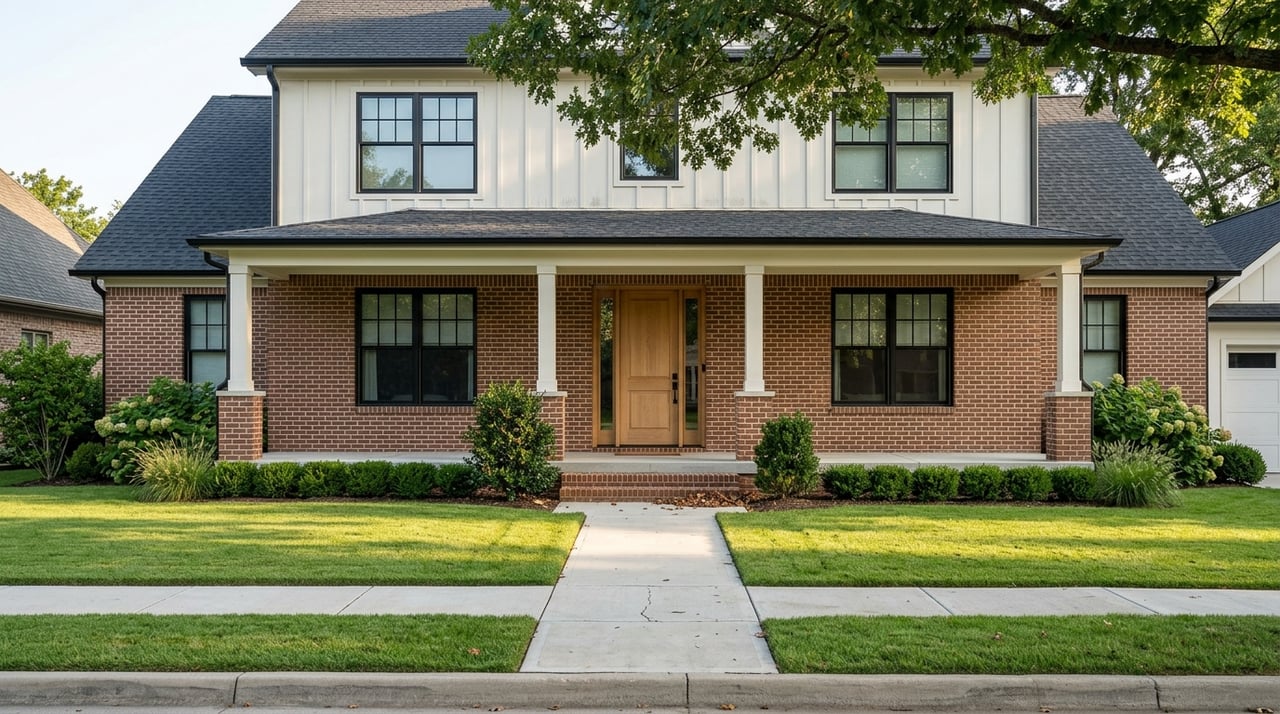
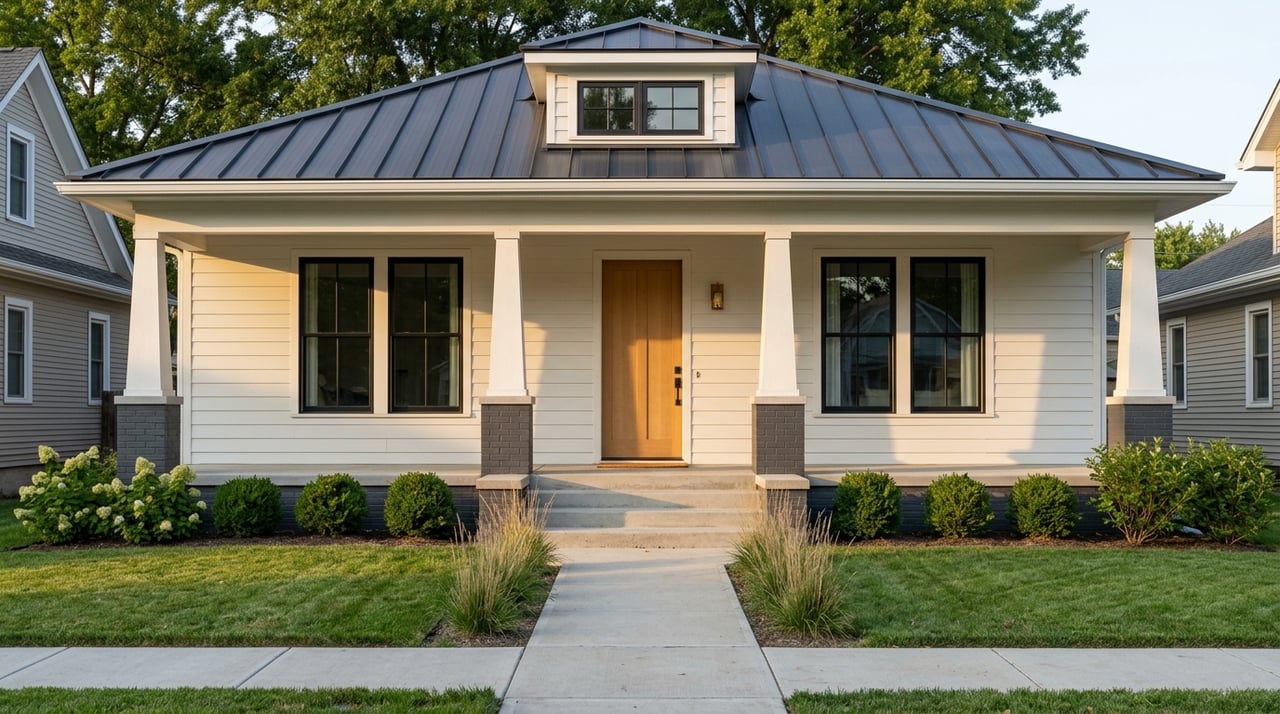
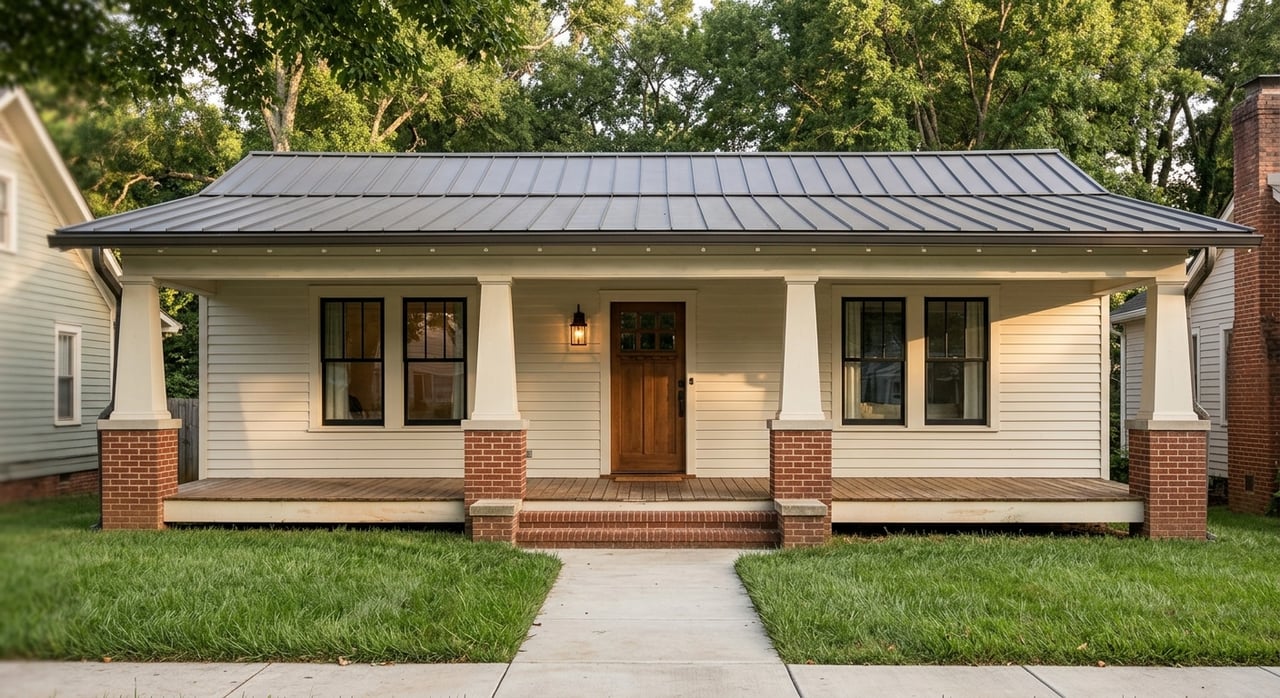
Housing is one of the biggest reasons 12 South feels so distinctive. Historic home styles in and around the neighborhood include bungalows, Folk Victorians, Foursquare homes, rare pre-1900 houses, and other vintage properties.
If you are drawn to front porches, established streets, mature trees, and homes with architectural detail, you will likely find that character here. Many buyers are attracted to 12 South because the neighborhood offers a sense of place that newer areas can struggle to replicate.
Newer infill and attached housing
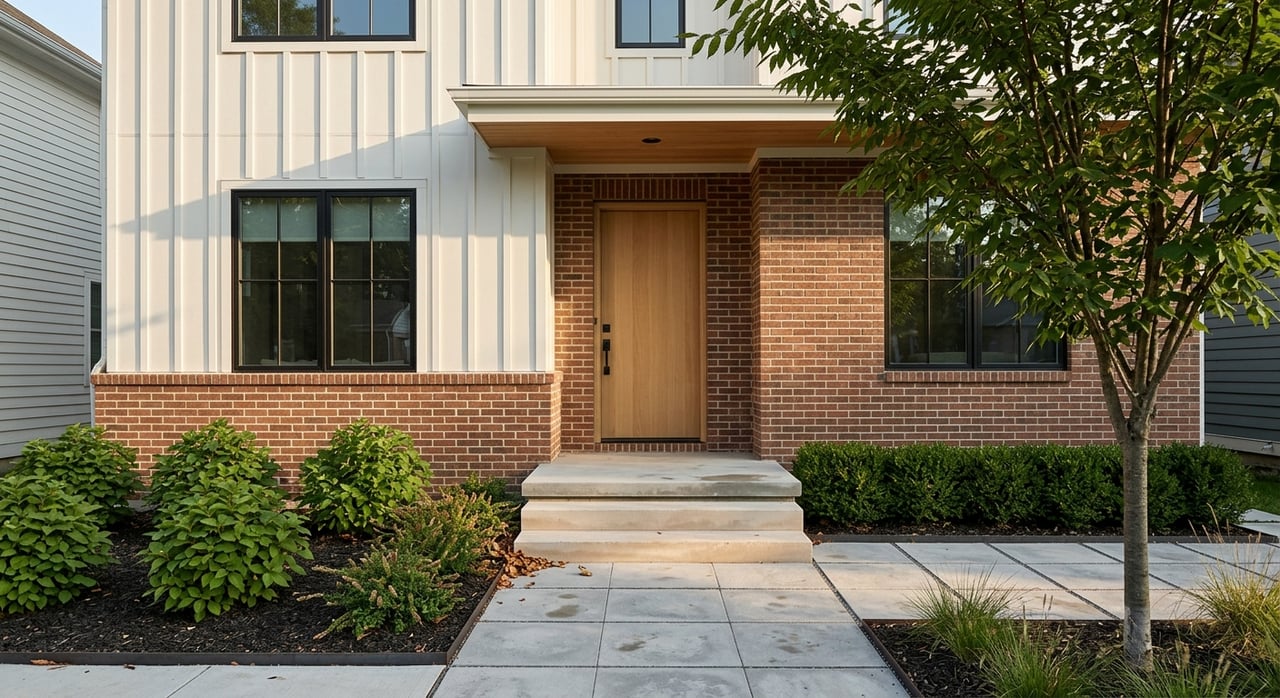
At the same time, 12 South is not frozen in the past. Metro planning materials for the corridor contemplate a mix of housing types, including townhomes, which helps explain why newer infill and attached housing appear alongside older homes.
That variety can be a real advantage depending on your goals. You may find everything from renovated historic houses to newer townhome-style options, which gives the neighborhood broader appeal for buyers seeking different layouts, maintenance levels, or design preferences.
For design-conscious buyers, that mix of old and new is often part of the appeal. You can enjoy neighborhood character while still exploring homes with more updated finishes or newer construction features.
What to know before you buy
Overlay and renovation considerations
If you are thinking about buying in 12 South with plans to renovate, expand, or build, do not assume every property has the same rules. Some nearby blocks in the broader Waverly-Belmont and 12th Avenue South area fall within historic or neighborhood conservation overlay districts.
Nashville notes that historic overlays use a design-review process and do not change a property’s base zoning. In practical terms, that means you should verify parcel-specific rules before making plans for exterior changes, additions, or a new build.
This step matters whether you are buying a historic home to personalize or evaluating an infill opportunity. Clear guidance up front can help you avoid delays, surprises, and costly design revisions later.
Price point and market expectations
12 South sits in Nashville’s upper price tier. Recent market snapshots show a median sale price ranging from about $1.2 million to $1.45 million depending on the source and reporting date, with Realtor.com also reporting 37 active listings, homes selling at about 97% of asking, and a median of 81 days on market.
For buyers, that usually means entering the neighborhood with a well-defined budget and a clear sense of priorities. You are often paying for location, walkability, neighborhood identity, and a combination of historic character and lifestyle convenience.
For sellers, this kind of market context reinforces the importance of presentation, pricing, and positioning. In a high-value neighborhood, details matter.
The tradeoffs to expect
No neighborhood is perfect for every buyer, and 12 South is no exception. The main tradeoffs here are typically price, parking, and the realities of living near a busy commercial corridor.
For example, limited free street parking is noted at one of the neighborhood’s best-known coffee spots, and Metro’s corridor improvements focus on safer crossings and protected bike lanes. Together, those details point to a neighborhood core that can feel busy, especially during peak hours and popular times.
For some buyers, that energy is exactly the point. For others, it may be a reason to focus on specific blocks, home types, or proximity to the busiest stretch of 12th Avenue South.
Who 12 South fits best
12 South is often a strong fit if you want a lively, design-conscious Nashville lifestyle with a clear neighborhood identity. It especially appeals to buyers who value walkable dining and shopping, access to a major park, and a housing mix that includes both historic homes and newer options.
It can also be a compelling choice if you want a neighborhood that feels established and connected rather than spread out. The combination of civic involvement, green space, and a compact retail corridor creates a lifestyle that feels both polished and practical.
That said, the best fit depends on how you live. If your priority is a quieter setting, easier parking, or a lower price point, you may want to compare 12 South with other Nashville neighborhoods before deciding.
Why buyers keep coming back to 12 South
What makes 12 South memorable is not just one feature. It is the way the neighborhood layers together historic streets, a strong local business corridor, recreation at Sevier Park, and an active, recognizable identity.
When a neighborhood offers convenience and character in the same place, it tends to stay in demand. That is a big reason buyers continue to look closely at 12 South, whether they want a renovated bungalow, a newer infill home, or simply a more connected way to live in Nashville.
If you are considering a move to 12 South, the right strategy starts with understanding not only what is available, but also how each block, home type, and property-specific rule may shape your experience. For tailored guidance on buying, selling, or evaluating homes in Nashville neighborhoods like 12 South, connect with Eddie Ferrell.
FAQs
Is 12 South in Nashville walkable for daily errands and dining?
- Yes. Nashville’s visitor bureau describes 12South as a highly walkable shopping and dining district built around a compact commercial corridor.
What types of homes are common in 12 South Nashville?
- You will commonly find historic bungalows, Folk Victorians, Foursquare homes, other vintage houses, renovated properties, newer infill homes, and some attached housing such as townhomes.
Are there renovation restrictions in 12 South Nashville?
- Some properties in the broader area may fall within historic or neighborhood conservation overlays, so you should verify parcel-specific rules before planning exterior changes, additions, or new construction.
What park serves the 12 South neighborhood in Nashville?
- Sevier Park is the neighborhood’s main recreation anchor, with a community center, fitness areas, playgrounds, walking or running tracks, and meeting space.
Is 12 South Nashville an expensive neighborhood?
- It is generally considered part of Nashville’s upper price tier, with recent reported median sale prices ranging from about $1.2 million to $1.45 million depending on source and timing.